

States with the Highest Climate Risk Insurance Premiums
Climate Risk Is Disproportionately Driving Up Home Insurance Costs in Key U.S. States
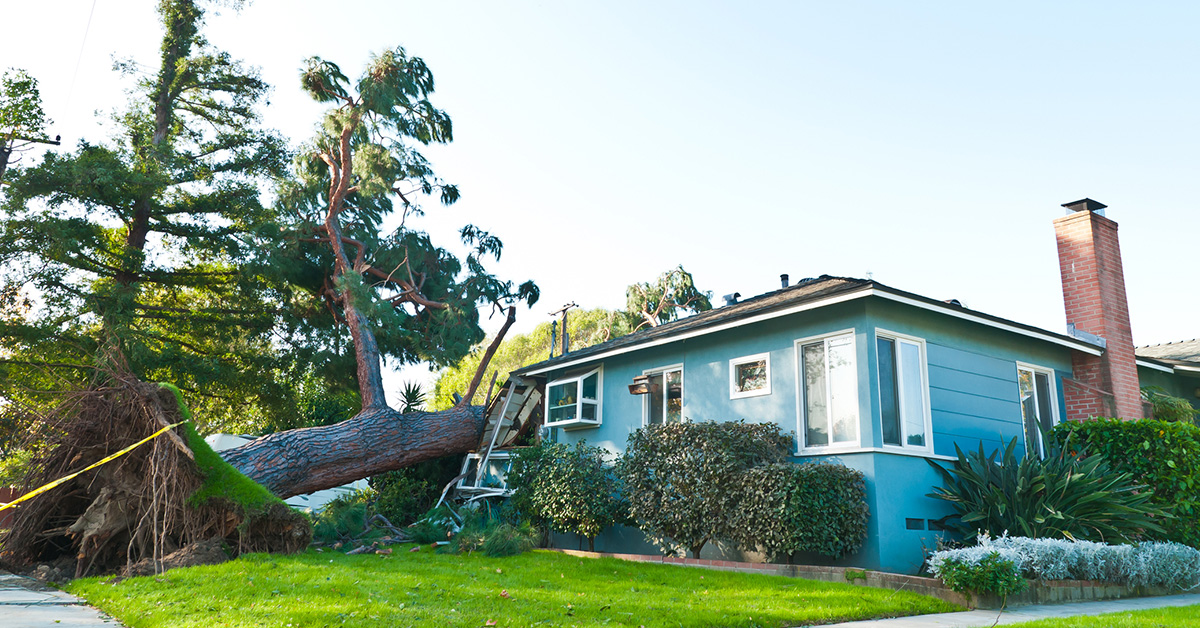
CA, UNITED STATES, April 23, 2026 /EINPresswire.com/ -- Climate risk is disproportionately driving up home insurance costs in key US statesThe YoY jump in home insurance is consistently in double digits. Premiums have increased by 12.5%, 10.7%, and 12% in 2023, 2024, and 2025, respectively. These costs are trickling down to the end policyholder. Environmental risks are the leading factors driving this upward trend. For this reason, insurance risk models now factor in weather-related events. This covers hurricanes, wildfires, floods, and severe storms. In some cases, the events also govern whether coverage is offered at all! Interestingly, the elevation in home insurance premiums is not a flat line. The spike is more noticeable in certain states. This corresponds to regions where climate exposure is higher.
States Facing the Highest Climate-Driven Premiums
As a national average, home insurance rate is roughly $2,500 per year. However, that number changes quickly depending on the state. For instance, it sits at $7,255 a year for Oklahoma. Similarly, the average annual premium is $6,015 in Nebraska. Kansas follows closely at $5,455. In contrast, lower-risk regions see premiums as low as $900 or $1,170 per year. That gap is not incidental. It reflects how insurers are responding to climate exposure in different parts of the country.
States Where Climate Risk Is Pushing Costs Higher
Some states appear on these lists year after year. The common factor is exposure to extreme weather. Louisiana and Florida [consumercoverage.com/home/state/homeowners-insurance-in-florida] face recurring hurricanes and flood risks. These events lead to repeated large-scale losses and keep premiums elevated. In the central U.S., states like Nebraska and Kansas deal with frequent storms. Hail and strong winds drive a steady volume of claims in these regions. Oklahoma follows a similar pattern. Tornado activity and flooding keep claim frequency high year after year.
Further west, California [consumercoverage.com/home/state/homeowners-insurance-in-california] and Colorado are seeing the growing impact of wildfires. Insurers are adjusting pricing as losses increase. Texas presents a different challenge. The state faces a mix of risks spanning hurricanes, hailstorms, and wildfires. This spread of exposure contributes to higher insurance costs.
The Cost of Climate Risk Is Increasing
Climate-related losses are rising across the insurance industry. Home insurance premiums increased by 57% between 2019 and 2024. This corresponds to a $21 billion price hike for American homeowners. Location makes that difference even more pronounced. Homeowners in high-risk areas pay significantly more than those in lower-risk regions. In some cases, premiums are about 82% higher. The reason is fairly direct. More frequent and severe weather events lead to more claims. Higher claims lead to higher payouts. Insurers adjust pricing to keep up.
A Growing Challenge for Homeowners
For many households, this is becoming difficult to manage. Insurance is not optional for most mortgage holders. As premiums increase, they put added pressure on monthly budgets. In some cases, they are beginning to influence where people choose to live. There is also a shift on the supply side. Insurers are becoming more selective. In high-risk areas, some are tightening underwriting standards. Others are limiting new policies or reducing coverage. For consumers, this makes the market harder to navigate.
Comparing Options in a Climate-Sensitive Market
Home insurance pricing is not consistent, even in high-risk states. Insurers evaluate climate exposure in different ways. That often leads to noticeable differences in premiums for the same property. For homeowners, this creates an opportunity to manage costs. But capitalizing on it requires effort. Comparing multiple providers can make a real difference. Platforms like ConsumerCoverage [consumercoverage.com] bring those options together. Homeowners can review policies side by side and find coverage that better fits their needs and budget. In markets where premiums are rising quickly, that level of visibility becomes more useful. Comparing options is what helps turn that understanding into better decisions.
Consumer Coverage
Consumer Coverage
email us here
Visit us on social media:
LinkedIn
Instagram
Facebook
Legal Disclaimer:
EIN Presswire provides this news content "as is" without warranty of any kind. We do not accept any responsibility or liability for the accuracy, content, images, videos, licenses, completeness, legality, or reliability of the information contained in this article. If you have any complaints or copyright issues related to this article, kindly contact the author above.
